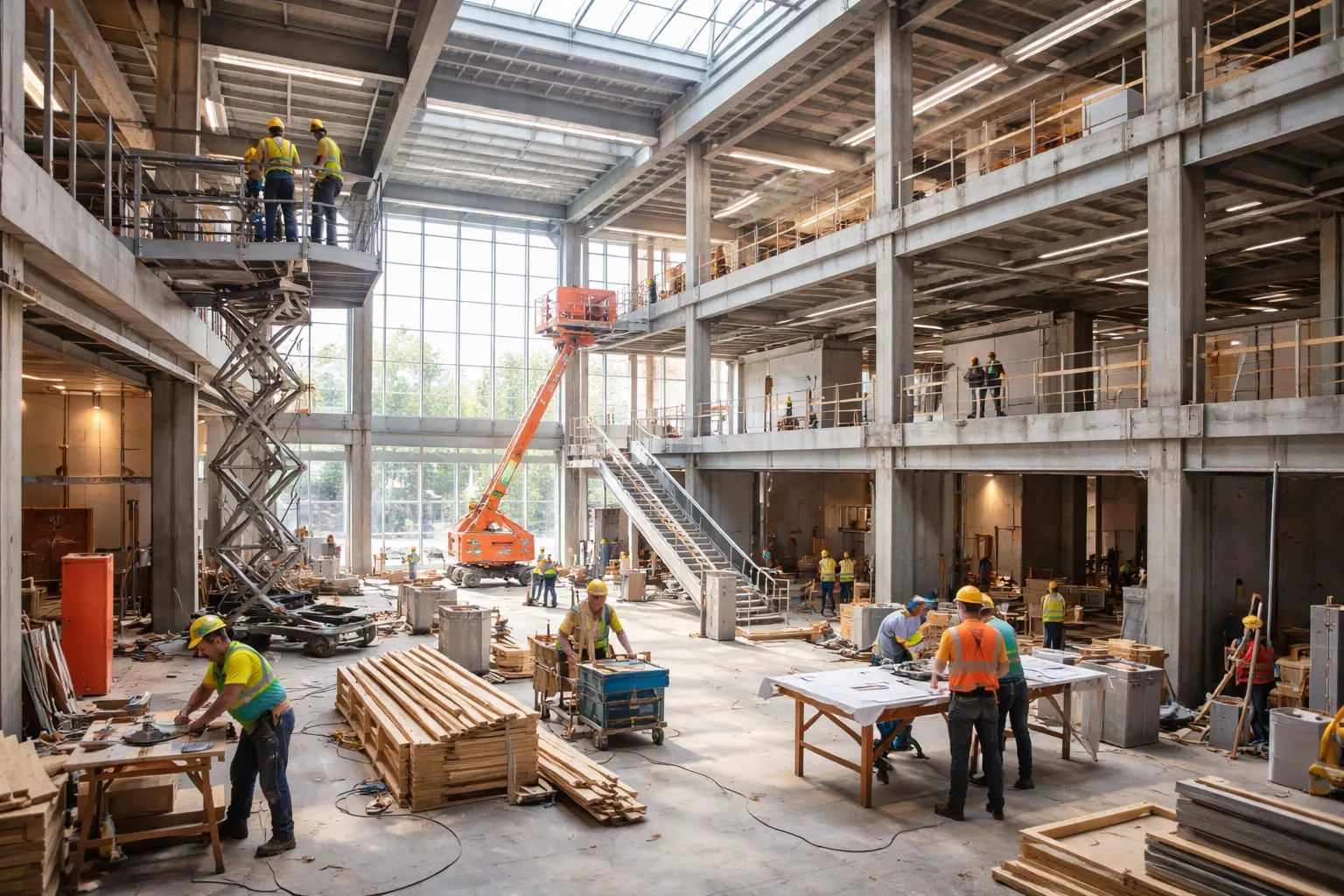
Hiring and pay
People judged on capability, paid the agreed rate, and treated consistently regardless of background, ethnicity or family connection.
Responsibility
Who gets hired, who gets trained, and whether the buildings we make can be used by everyone.
In short
This is an area where honesty serves better than ambition. Construction in Afghanistan is not an inclusive industry, and stating otherwise would not be credible. What we can commit to is how we treat the people we work with and how accessible the buildings we deliver are.
People judged on capability, paid the agreed rate, and treated consistently regardless of background, ethnicity or family connection.
Site work is one of the few routes into a skilled trade available to many people here. Taking training seriously widens who can enter the industry at all.
Step-free entrances, usable circulation, lift provision and sensible door widths cost little when designed in, and determine whether elderly and disabled people can use a building at all.
Adequate welfare facilities, respectful treatment, and a route to raise a problem without it costing someone their job.
Common questions
Because construction in Afghanistan is not an inclusive industry, and claiming otherwise would not be credible. We would rather state what we can actually commit to.
Step-free entrances, usable circulation, lift provision and sensible door widths. Designed in, these cost little; added later they are often impossible.
Design accessibility in.
Start a conversation
Tell us what you are considering. We can start with the site, the opportunity and the questions that matter before anything gets overcomplicated.
Discuss your project