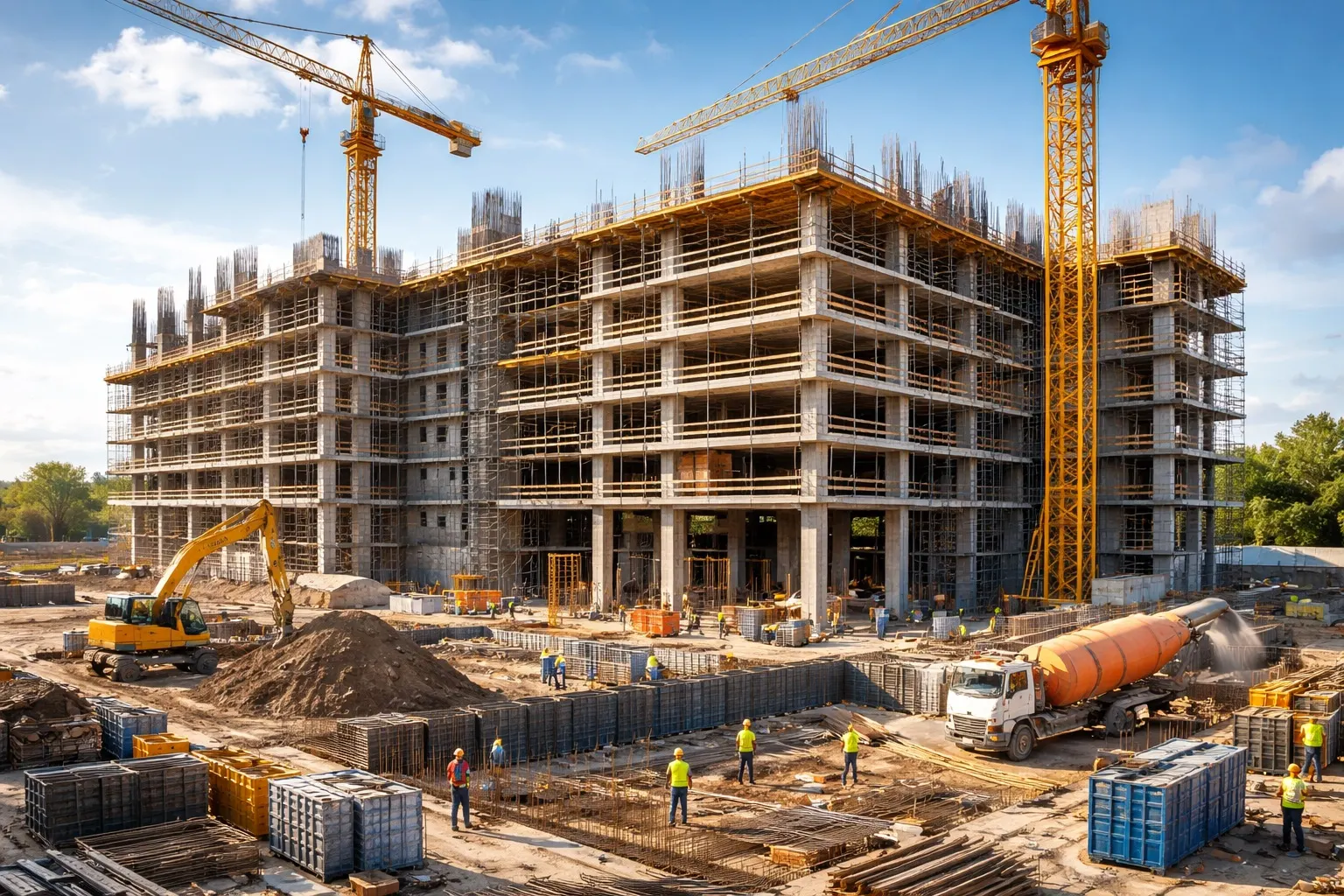
Designing for interruption
Where the grid is unreliable, decisions about essential loads, backup provision and how a building behaves when supply stops belong in early design rather than in an owner's manual.
Climate
Reliable, affordable energy is not a given in Kabul. Buildings should be designed with that reality in mind.
In short
Grid supply in Kabul can be intermittent, and residents frequently rely on supplementary sources. A building that assumes constant, cheap power will disappoint the people living in it. Designing for interruption is as important as designing for efficiency.
Where the grid is unreliable, decisions about essential loads, backup provision and how a building behaves when supply stops belong in early design rather than in an owner's manual.
Afghanistan has strong solar resource. Roof area, orientation, structural allowance and maintenance access should be considered even where panels are not installed on day one, so the option remains open.
Heating, hot water, lighting and pumps sized correctly for the actual building, rather than generously for safety, reduce both capital and running cost.
Occupants can only manage what they can see. Sensible metering and simple, understandable controls have a measurable effect on consumption.
Common questions
Even where panels are not installed initially, allow for them structurally and leave roof area and routing available. Adding that allowance later is expensive; providing it now is not.
That should be a design decision, not an afterthought. Which loads are essential, what backup exists and how the building operates on reduced supply belong in early design.
Plan the roof early.
Start a conversation
Tell us what you are considering. We can start with the site, the opportunity and the questions that matter before anything gets overcomplicated.
Discuss your project